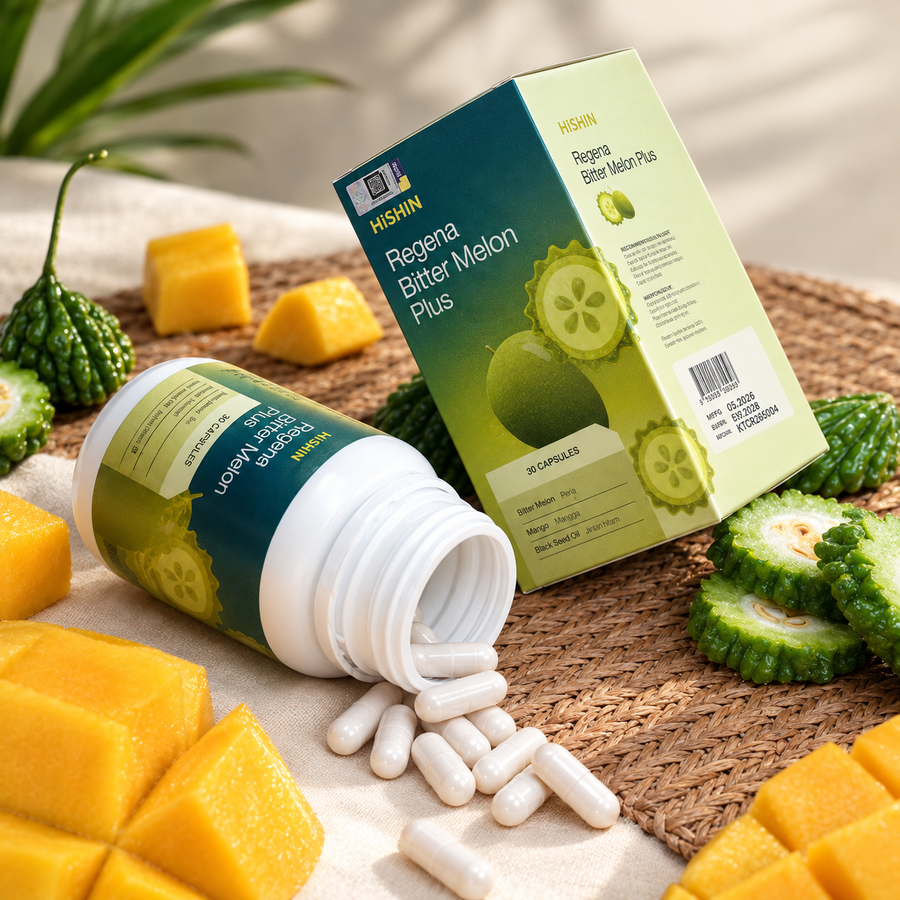


Most people try to fix a high fasting glucose reading in the morning. They skip breakfast, drink more water, test again at 10 am. By then it's too late. Tomorrow's fasting reading is decided tonight, between dinner and bed.
Here are seven things to do this evening. None of them are complicated. Most people who do five of the seven see a lower reading within a few days.
1. Finish dinner by 8 pm
The later you eat, the more sugar is still being processed when your liver starts its overnight release around 3 am. The two stack up. If 8 pm is impossible on work days, make the late dinner the smallest meal of the day rather than the biggest.
2. Keep dinner carbs to a quarter plate
Dinner is where most Malaysians eat their biggest portion of rice or noodles. Flip it: make lunch the bigger carb meal and keep dinner to a fist-sized portion, eaten after the vegetables and protein. This single change does more for high fasting glucose than almost anything else on the list.
3. Walk for 15 minutes after dinner
Not a workout. A slow walk around the neighbourhood or a few laps of the car park. Moving muscles pull sugar out of the blood without needing much insulin, which lowers the amount your liver has in storage for the morning. Do it within an hour of finishing dinner.
4. No sweet drinks after dinner, and no supper
The Milo before bed, the biscuits with the 10 pm drama, the fruit "because it's healthy". All of it goes into the overnight sugar pile. If you're genuinely hungry late, a boiled egg or a few pieces of cucumber. If you're thirsty, water.
5. Protect seven hours of sleep
Short or broken sleep raises cortisol, and cortisol tells your liver to release more sugar. People who regularly sleep five hours tend to run higher fasting glucose than people who sleep seven, even on the same diet; a pooled analysis of ten long-term studies found the risk of type 2 diabetes rises about 9% for every hour of sleep lost below seven. Phone out of the bedroom, lights off by 11, same time every night.
6. Deal with the night-time toilet trips
Waking up two or three times to pee breaks your sleep, which raises cortisol, which raises fasting glucose, which makes you pee more. It's a loop. Cutting fluids after 8 pm helps a little. Lowering your overall blood sugar is what breaks it properly, because the peeing is itself a symptom of sugar being high.
7. Take your evening dose on time
If you're on medication, the evening dose is the one that covers the overnight liver release. Set an alarm.
What to expect
Do these seven things for a week and test every morning with the same meter. Most people see a drop of a point or two within a few days. That's the evening habits working.
What the evening habits can't do on their own is fix the reason the liver's sugar isn't being cleared, which is reduced insulin sensitivity. That's the long-term work, and it's the difference between a high fasting glucose reading that goes down for a week and one that stays down.
For the full explanation of why morning readings run high in the first place, read High Fasting Glucose: Why Is My Blood Sugar High in the Morning Even Though I Didn't Eat?
References
- Gu C, et al. Metabolic Effects of Late Dinner in Healthy Volunteers – A Randomized Crossover Clinical Trial. Journal of Clinical Endocrinology & Metabolism, 2020.
- Bahagian Pemakanan, Kementerian Kesihatan Malaysia. Suku Suku Separuh – Malaysian Healthy Plate. Ministry of Health Malaysia, 2025.
- Richter EA, Hargreaves M. Exercise, GLUT4, and skeletal muscle glucose uptake. Physiological Reviews, 2013.
- Engeroff T, Groneberg DA, Wilke J. After Dinner Rest a While, After Supper Walk a Mile? A Systematic Review with Meta-analysis on the Acute Postprandial Glycemic Response to Exercise Before and After Meal Ingestion. Sports Medicine, 2023.
- Spiegel K, Leproult R, Van Cauter E. Impact of sleep debt on metabolic and endocrine function. The Lancet, 1999.
- NHS. Type 2 diabetes – Symptoms. nhs.uk, 2025.
- Shan Z, et al. Sleep duration and risk of type 2 diabetes: a meta-analysis of prospective studies. Diabetes Care, 2015.
This article is for general information only and is not medical advice. Please consult your doctor before changing your diet or medication.